By Rhama Sankaran
When I arrived in Singapore in the early 1980s, it had not yet become the globally admired city-state that it is today. Yet even then, it welcomed me as a nation unafraid of change and determined to build a brighter future.
Landing at Paya Lebar Airport was an experience filled with wonder. The immigration procedures and the sight of luggage moving along a conveyor belt were entirely new to me.
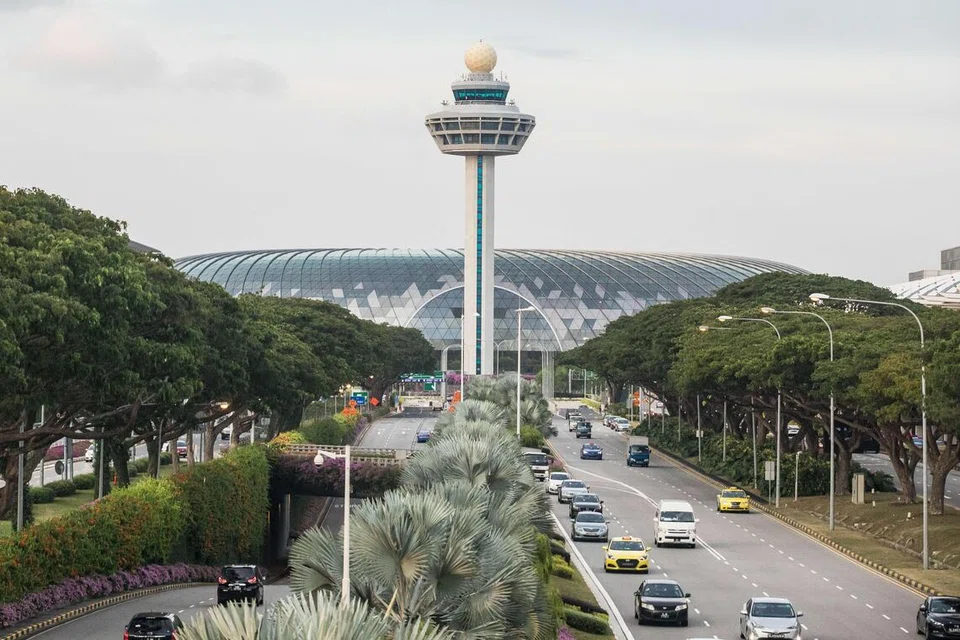
Within months, Changi Airport opened its doors. Its scale, efficiency and modernity were simply breathtaking.
Another pleasant surprise came during the drive home. The radio was playing a Carnatic music performance by a local artiste. It was my first glimpse of Singapore’s effortless embrace of different languages and cultures.
One memory remains especially vivid. On New Year’s Eve in 1981, Singapore moved its clocks forward by half an hour to welcome 1982. It showed me that progress is reflected not only in ambitious development projects but also in a nation’s willingness to adapt with the times.
The 1980s were not without economic challenges. The closure of Rollei led to thousands of job losses, while the 1985 recession tested the nation’s resilience. Yet, Singapore responded by investing in skills, technology, higher education and the service sector, laying the foundation for the strong economy it enjoys today.
I witnessed these changes not only as a new immigrant but also as a student. While looking for work, I continued my Social Sciences studies at the National University of Singapore, where I had the opportunity to learn about the nation’s manufacturing sector and economic transformation.
Later, my work in the media gave me a deeper appreciation of how closely public policies shaped everyday life.
The decade also nurtured an informed and caring society. One of my most meaningful experiences was volunteering at Ang Mo Kio Library, reading English storybooks to children.
National reading campaigns, the emphasis on language learning, and community programmes promoting the arts, sports and racial harmony reflected Singapore’s long-term investment in its people.
Equally memorable were nationwide efforts to promote cleanliness, public health, anti-smoking and anti-drug awareness, together with the ambitious clean-up of Singapore’s rivers. These initiatives demonstrated that true progress should be measured not only by impressive infrastructure but also by the well-being of the people.
As Singapore celebrates National Day, I look back on the 1980s with one enduring thought. This has never been a nation without challenges. Rather, it has always been a nation that turned challenges into opportunities.
It valued hard work, invested in education, upheld the rule of law and united people of different races under one national identity. Those enduring values have helped Singapore become one of the world’s leading nations.
As Singapore celebrates another National Day, I remain deeply grateful that the nation which first filled me with wonder continues to inspire me with confidence, purpose and hope.